Neuro Surgery
The Department of Neurosurgery at Bharati Vidyapeeth Hospital, Sangli provides advanced surgical care for a wide range of brain and spine disorders. Supported by cutting-edge operation theatre infrastructure and a strong multidisciplinary team, the department performs both routine and complex neurosurgical procedures with precision, safety, and excellent outcomes.
Overview
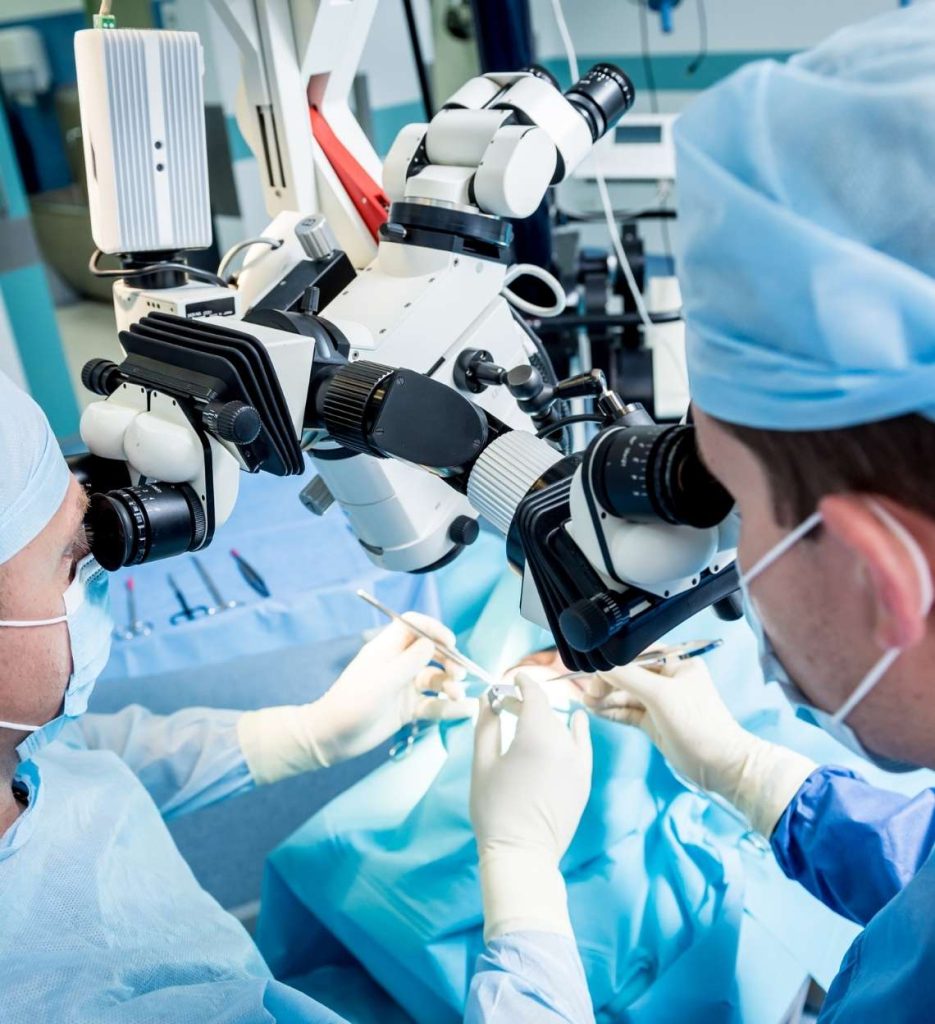
The Department of Neurosurgery at Bharati Vidyapeeth Hospital, Sangli provides advanced surgical care for cranial and spinal disorders with the support of modern infrastructure and a skilled multidisciplinary team. From traumatic brain injuries to complex spinal deformities, the department is equipped to deliver safe and effective treatment using state-of-the-art technology and refined microsurgical techniques.
Located in the Super-Specialty Building, the Department of Neurosurgery provides streamlined access to OPD, diagnostics, operation theatres, ICUs, and rehabilitation services—all within a single facility. Patient care is supported by dedicated neuro-rehabilitation protocols in collaboration with physiotherapy, neurology, psychiatry, and speech therapy units. With expertise in procedures such as awake craniotomies, minimally invasive spine surgeries, and complex tumor resections, the department ensures comprehensive care across the entire surgical journey—from diagnosis through recovery.
Scope of Services
Cranial Surgeries
- Brain trauma: decompressions, hematoma evacuation
- Tumor resections: anterior/posterior cranial fossa, skull base tumors
- CSF diversion: VP shunt, external ventricular drainage
- Vascular: aneurysms, arteriovenous malformations (AVM)
- Congenital anomaly correction
- Cranial reconstruction and stereotactic procedures
Spinal Surgeries
- Spine trauma: decompression, hematoma evacuation
- Spinal tumor removal: extradural, intradural, intramedullary
- Stabilization: instrumentation, deformity correction
- CV junction surgeries
- Vertebroplasty and minimally invasive spinal biopsy
- Management of congenital spinal anomalies

Infrastructure & Facilities
- Dedicated modular neurosurgical OT
- Microsurgical setup with operating microscope
- AESCULAP and NSK drills, Medela suction systems
- Advanced equipment: CUSA (Cavitron Ultrasonic Aspirator), Piezo-electric saw
- Neurophysiological monitoring system
- Integrated neuro-rehabilitation support
- Upcoming: Neuro-navigation and Neuro-endoscopy systems
- Awake craniotomy protocol initiated
Frequently asked questions
What conditions does a neurosurgeon treat?
Neurosurgeons handle brain and spinal cord tumors, head injuries, slipped discs, spinal deformities, aneurysms, and congenital neurological issues.
How is neurosurgery different from neurology?
Neurosurgeons perform surgical treatments, while neurologists manage neurological diseases through medication and rehabilitation.
Do all brain or spine issues need surgery?
No. Surgery is performed only when necessary. Many conditions can be treated conservatively or through minimally invasive interventions.
Is neurosurgery safe?
With advanced tools and skilled surgeons, neurosurgical procedures are safer than ever before. Risk is minimized with pre-surgical evaluations and precise monitoring.
What is an awake craniotomy?
An awake craniotomy is a procedure where a patient remains conscious during part of the brain surgery, often used for tumor removal near speech or motor centers to avoid damage.