Nephrology (Dialysis)
Bharati Vidyapeeth Hospital, Sangli, a leading centre for nephrology care, provides comprehensive treatment for kidney diseases—from early diagnosis and medical management to advanced dialysis and transplant services. With over 23 dedicated dialysis stations, a modern RO plant, and integrated multidisciplinary transplant support, the department delivers expert care across the full spectrum of nephrology.

Overview
The Department of Nephrology at Bharati Vidyapeeth Hospital, Sangli offers advanced and holistic kidney care under one roof. The team manages a wide range of conditions including chronic kidney disease, acute kidney injury, glomerular and genetic disorders, complex hypertension, and end-stage renal failure. Special emphasis is placed on early diagnosis, management of lifestyle-related renal risks, and personalized dialysis planning to ensure the best outcomes for every patient.
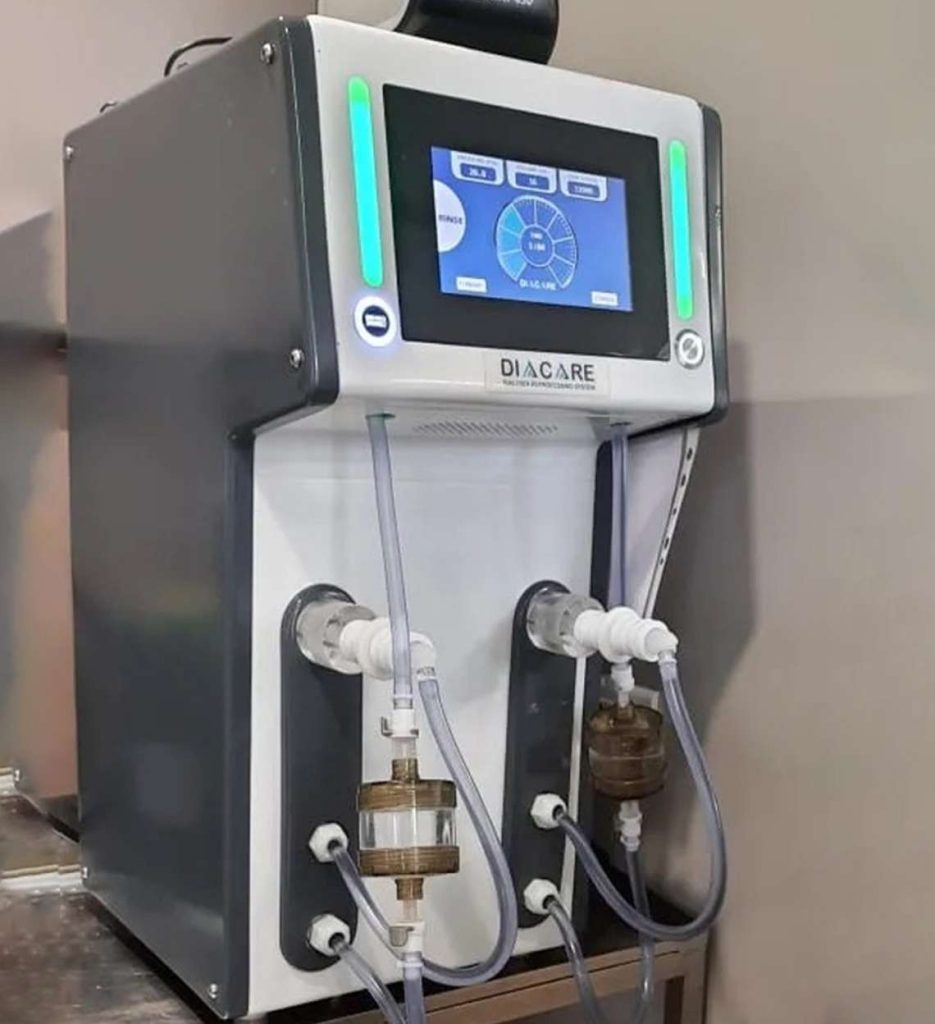
The Dialysis Centre at Bharati Vidyapeeth Hospital, Sangli is equipped with 23 state-of-the-art stations and advanced water purification systems to provide safe and effective therapy. Services include hemodialysis, peritoneal dialysis, CRRT, and hemodiafiltration. The comprehensive transplant program offers live donor, deceased donor, and ABO/HLA-incompatible kidney transplants, supported by structured pre- and post-operative protocols. Patients receive integrated care that includes thorough evaluation, vascular access management, nutritional support, and preventive strategies ensuring quality outcomes with compassion, dignity, and affordability.
Scope of Services
Core Clinical Services
- Chronic Kidney Disease (CKD) and Acute Kidney Injury (AKI)
- Diabetic and Hypertensive Nephropathy
- Resistant Hypertension
- Genetic Kidney Diseases (e.g., Polycystic Kidney Disease)
- Dys-electrolytemia and acid-base disorders
- Recurrent kidney stones and complicated UTIs
- High-risk pregnancy with renal complications
- Glomerular diseases and nephrotic syndromes
Renal Replacement & Dialysis
- Hemodialysis & Hemodiafiltration
- Peritoneal Dialysis
- Continuous Renal Replacement Therapy (CRRT)
- Isolated ultrafiltration for edema and heart failure
- Access care: AV fistula creation, catheter insertions, stenting
- Plasma Exchange (renal & non-renal indications)
Transplant Services
- Live & Deceased Donor Kidney Transplants
- Pediatric Transplants
- ABO & HLA-Incompatible Transplants
- Pre-emptive Transplant Planning & Post-op Monitoring
Infrastructure & Diagnostics
- 23 modern dialysis stations with RO water treatment
- Bedside ultrasound and Doppler for access management
- Native & transplant kidney biopsies
- In-house serum creatinine, urea, electrolyte testing
- Dedicated transplant coordination and counselling
- Multidisciplinary ICU & surgical backup
- Separate infection-controlled dialysis units
- Plasma exchange setup
- OPD: Monday to Saturday, 9 AM to 4 PM
Frequently asked questions
What are early signs of kidney disease?
Often silent, early kidney disease may show no symptoms. Later stages may present swelling, fatigue, nausea, breathlessness, or decreased urine output. Screening is vital for high-risk patients.
What causes kidney disease?
Common causes include uncontrolled diabetes, hypertension, kidney stones, autoimmune disorders like SLE, and genetic conditions such as polycystic kidney disease.
What are the types of dialysis available?
We offer hemodialysis, peritoneal dialysis, hemodiafiltration, and CRRT. Dialysis type is chosen based on patient condition and medical suitability.
Can a failed kidney be replaced?
Yes. Kidney transplantation is a viable, long-term solution. We perform live, deceased donor, and blood group incompatible transplants at our center.
How can I protect my kidneys?
Maintain blood pressure and sugar control, avoid excess salt, exercise regularly, stop smoking, and undergo annual kidney health screening if you’re at risk.