Emergency Medicine Department
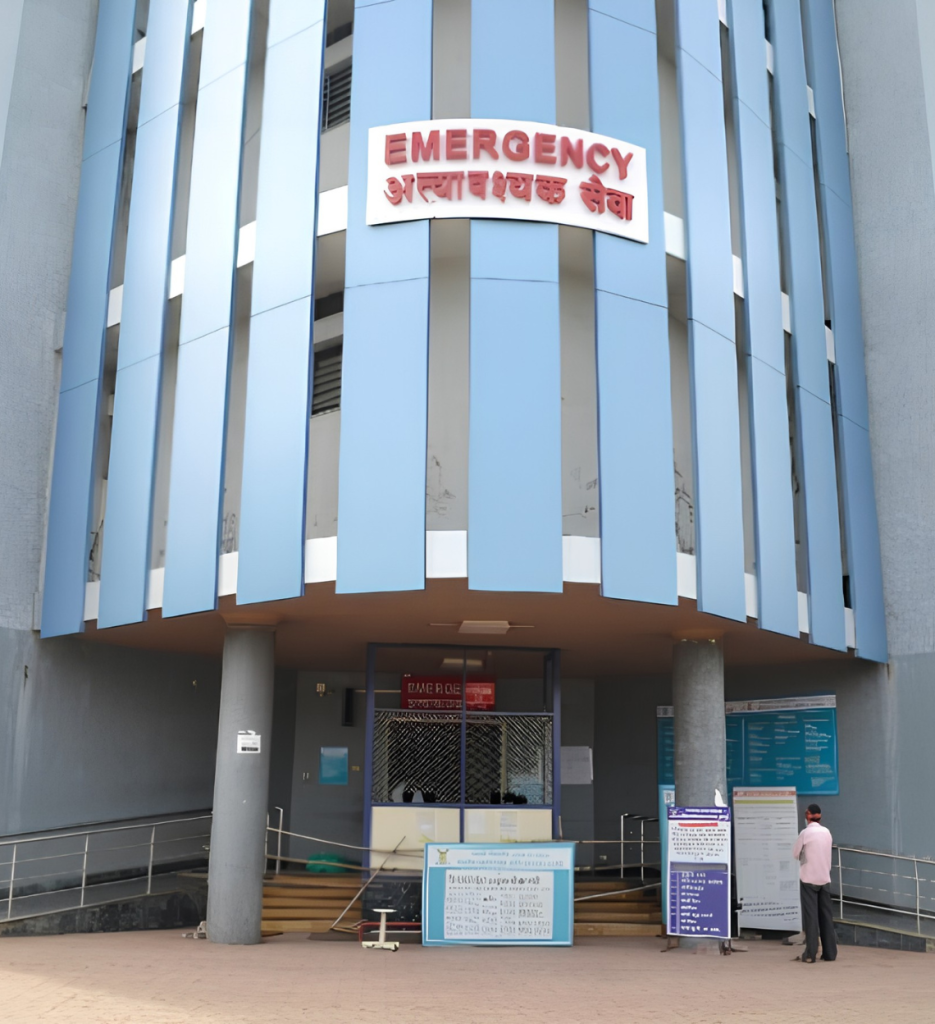
The Department of Emergency Medicine at Bharati Hospital ,Sangli is established in 2020. The Emergency Medicine Department provides rapid, expert care for patients with urgent and life-threatening conditions. Staffed 24/7 by skilled emergency physicians and support teams, we ensure timely diagnosis, treatment, and stabilization.
Overview
The Emergency Medicine Department is a high-acuity, 24/7 critical care facilityequipped with advanced technology to deliver high-quality emergency care for a widerange of adult and pediatric emergencies, including trauma and disaster cases. It isstaffed by a dedicated team of specialized clinicians, nurses, and healthcareprofessionals trained in the resuscitation, stabilization, and transfer of critically illpatients. We are committed to excellence in clinical care, education, and research,aiming to develop skilled, updated, and compassionate emergency physicians. Our goalis to provide timely and effective care in a safe, professional, and supportiveenvironment for every patient.
FACULTY
Dr. Shilpa Gaikwad
Professor & HOD
Dr. Vilyam Isapure
Assistant Professor
Dr. Sachin Kothawale
Asso. Prof.
Dr. Vaibhav Shinde
Assistant Professor
Dr. Ratnakant Magdum
Sr. Resident
Dr. Sagar Kharat
Sr. Resident
Scope of Services
- 24/7 Emergency Services for Adult ,Pediatric and Geriatric patients
- Triage and Stabilization
- Advanced Trauma and accident care
- Medical Emergencies- stroke, myocardial infarction, asthma, sepsis, diabetic emergencies, poisoning, etc.
- Pediatric Emergencies
- Toxicology and Poisoning Management-Snake bites, scorpion stings, pesticide poisoning, drug overdose
- Prehospital Care & Ambulance Services-Basic Life Support (BLS) and Advanced Cardiac Life Support (ACLS) ambulances
- Disaster Preparedness & Mass Casualty Management- fire, floods, epidemics –COVID etc, and accidents
- Emergency Radiology and Point-of-Care Testing- On-site access to X-ray, CT scan, ultrasonography, ECG, ABG, and laboratory support
- Observation and Short-Stay Unit-Patients requiring observation for up to 24 hours under monitoring
- Emergency Obstetrics and Gynecology Support-Immediate care for ectopic pregnancy, PPH, labor emergencies, and miscarriage
- Training and Education-Regular BLS/ACLS/PALS training for healthcare providers and community
- Mortuary services- dead body storage, body and organ donation facilty

Scope of Services
- Airway Management
- Endotracheal Intubation, Bag-Mask Ventilation
- Tracheostomy (emergency), Cricothyrotomy
- Breathing Support
- Oxygen Therapy
- Non-invasive Ventilation (BiPAP/CPAP)
- Non-invasive Ventilation (BiPAP/CPAP)
- Mechanical Ventilation
- Circulation Management
- IV Fluid Resuscitation
- Vasopressor Infusions
- Control of Active Bleeding
- Advanced Life Support
- Cardiac Arrest Management (ACLS protocols)
- Defibrillation and Cardioversion
- Chest Compression, CPR
- Trauma Care
- Cervical Spine Immobilization
- Wound Suturing and Dressing
- IV/IM Analgesics, Regional Blocks
- Splinting and Fracture Management
- Poisoning and Toxicology
- Gastric Lavage, Activated Charcoal
- Specific Antidotes (e.g., Atropine, Naloxone)
- Neurological Emergencies
- Stroke Thrombolysis (if within window period)
- Seizure Control (Midazolam, Lorazepam)
- Infectious Disease Emergencies
- Empirical IV Antibiotics
- Sepsis Protocols with Early Goal-Directed Therapy
- Obstetric Emergencies
- Eclampsia Management
- Emergency Delivery, PPH Control
- Psychiatric Management
- Suicide Attempt Stabilization
- Pain Management
- Tetanus and Rabies Prophylaxis
- TT Injection
- Rabies Vaccine and Immunoglobulin
Point of Care Facilities
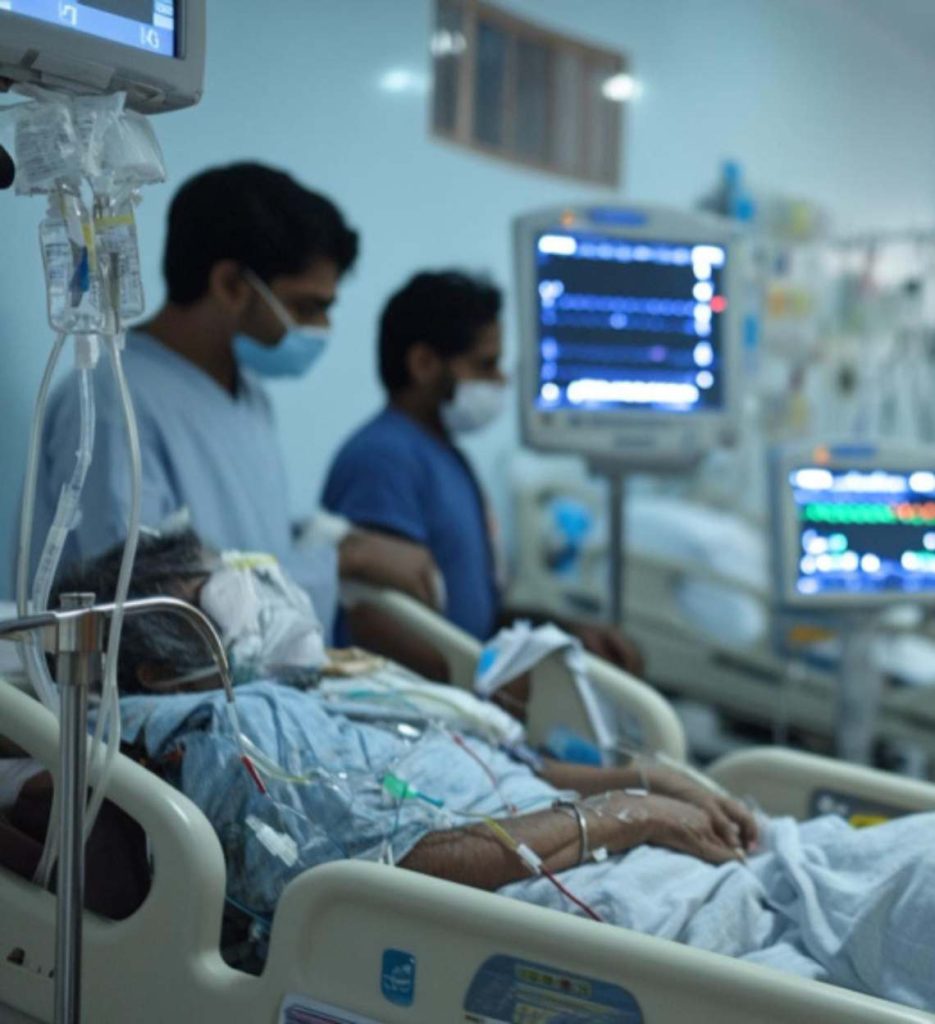
- X-Ray
- Ultrasound machine
- ABG machine
- ECG machine
- Glucometer
- Radio diagnosis department (MRI, CT, Ultrasound and X ray)
- Laboratory Services
- Blood Bank
- Ambulances – Basic and advanced life support ambulances
- Mortuary
- Medical store
Frequently asked questions
Who will treat me in the Emergency Department?
The ED’s health care team consists mainly of doctors and nurses who are specially trained to treat all types of medical emergencies.
When should I suspect I think someone is having a stroke?
When it comes to stroke, think B.E. F.A.S.T!
B – Balance: Sudden trouble walking, dizziness, loss of balance or coordination
E – Eyes: Any sudden issues with vision or double vision
F – Face: Ask the person to smile. Does one side of the face droop?
A–Arms: Ask the person to raise both arms. Does one arm drift downward?
S – Speech: Ask the person to repeat a simple phrase. Is the speech slurred or strange?
T – Time: If you see any of these signs, call 108 immediately.
Note the time that the symptoms first appear. Do not drive yourself to the hospital; call anambulance so medical personnel can begin life-saving treatment on the way to theemergency room.
Minutes matter. Stroke treatments work best only if the stroke is recognized anddiagnosed within the first 3 hours of the first symptoms
What should I do if a loved one or I am having chest pain?
Chest pain can be a sign of a heart attack. Call 911 or have someone take youto the closest emergency room if your chest pain lasts longer than 5 minutesor does not go away when you rest or take medication.
What are the other symptoms of a heart attack?
Sweating
Shortness of breath
Rapid or irregular heartbeat
Nausea or vomiting
Pain in the back, upper abdomen, arm, or shoulder
Lightheadedness